
Homeowners in Point Pleasant, New Jersey facing a furnace shutdown should first check the thermostat settings and replace a dirty air filter. A tripped circuit breaker or a clogged condensate drain also causes sudden failures. CAM HVAC Services provides 24-hour emergency furnace repair, ensuring reliable heat during cold winter months.
Why Is My Furnace Not Heating?
A furnace that refuses to heat often points to simple, correctable issues. Homeowners in Point Pleasant discover tripped breakers, clogged filters, or misconfigured thermostats behind many cold-weather calls.
Check the thermostat settings. Verify the system is switched to “Heat” and the target temperature sits above the current room reading. A dead battery or loose wire interrupts the call for warmth before the equipment ever attempts to start.
Inspect the circuit breaker. A power surge trips the furnace breaker, cutting electricity instantly. Reset it once. If it trips again, an underlying electrical fault requires immediate professional attention.
Replace a dirty air filter. A clogged filter chokes airflow across the heat exchanger. The furnace overheats and cycles off on its high-limit safety switch to prevent damage. Point Pleasant’s coastal humidity accelerates dust buildup on filter media, making monthly checks a practical necessity during peak-use months.
Confirm the gas valve is open. An accidental bump or recent work near the unit can leave the gas supply turned off.
What does regular maintenance prevent in a furnace?
Consistent upkeep safeguards dependable operation when temperatures drop. Furnace Troubleshooting Common Issues Point Pleasant starts with recognizing how salt air and busy seasonal schedules place extra strain on heating systems along the Shore. CAM HVAC Services addresses this reality through comprehensive inspections, cleaning, and precise repairs that keep equipment running reliably. Routine attention extends component life and catches developing faults long before they trigger a no-heat emergency.
What role does the coastal environment play in furnace problems?
Coastal humidity and salt air in Ocean County accelerate corrosion on electrical contacts, burner assemblies, and heat exchangers. Furnaces near the Manasquan River or Point Pleasant Canal endure harsher conditions than inland units. Proactive checks remain critical for these homes. The company provides the thorough evaluations and furnace installation support necessary when older equipment succumbs to environmental wear. Skipping maintenance forfeits the opportunity to correct corrosion before a complete system shutdown leaves a household without heat during a winter cold snap.
What Should I Check Before Calling a Technician?
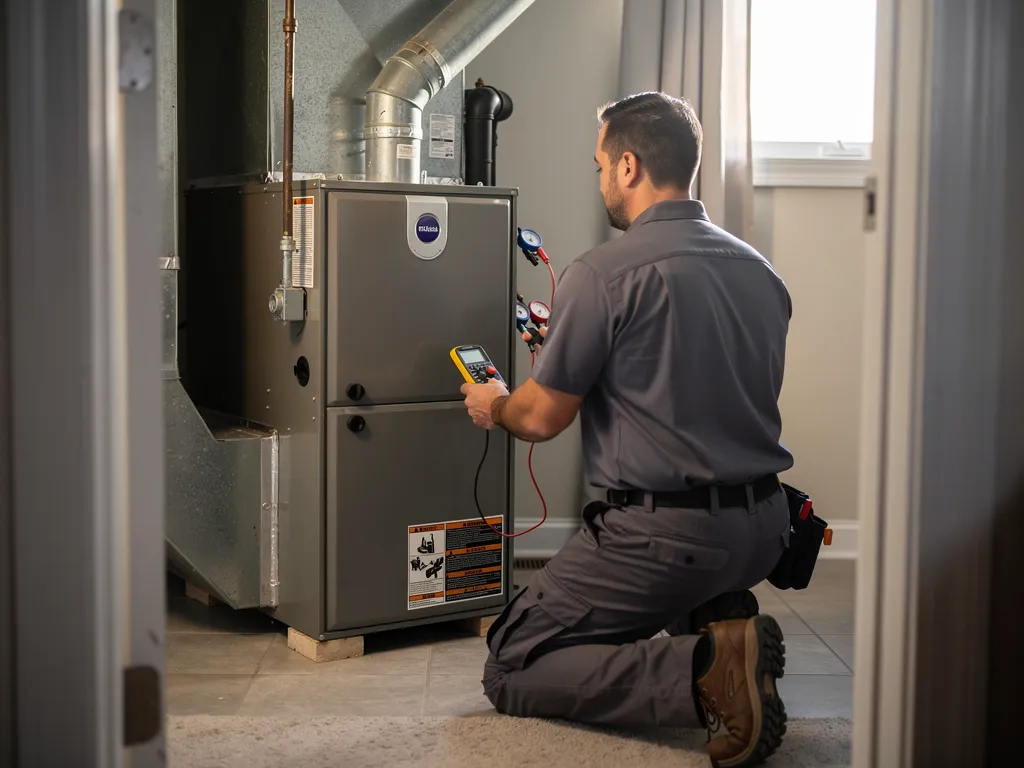
A homeowner in Point Pleasant can resolve many furnace problems with a few simple checks before scheduling professional service. These steps save time and often restore heat without a technician’s visit. Skipping them risks an unnecessary service call fee for an issue with a quick fix.
Furnace troubleshooting common issues Point Pleasant residents face often starts with the thermostat. A wrong setting or dead battery mimics a major breakdown. The following numbered sequence walks through the safe, effective checks any homeowner can perform.
What Are the First Things to Inspect on a Furnace?
Confirm the thermostat settings. Verify the system is set to “Heat” and the target temperature sits above the current room reading. Replace old batteries if the display is blank or dim.
Check the power switch and circuit breaker. Locate the furnace’s dedicated power switch, which resembles a light switch, and ensure it is in the “On” position. Inspect the home’s electrical panel for a tripped breaker or a blown fuse and reset it once.
Inspect and replace the air filter. A clogged filter chokes airflow and triggers a safety shutdown. Slide the filter out and hold it to a light source; if light cannot pass through, install a fresh replacement immediately.
Is It Safe to Check the Gas Supply Myself?
For gas furnaces, a homeowner can safely confirm the gas valve near the unit is in the open position, with the handle parallel to the pipe. A standing pilot light should show a steady blue flame through the small viewing window. Any smell of gas or uncertainty about these components demands an immediate halt. CAM HVAC Services provides 24-hour emergency furnace repair for Point Pleasant properties when these basic checks do not solve the problem. The company’s skilled technicians perform comprehensive inspections and cleaning to restore reliable, efficient operation.
How Do I Fix a Furnace That Short Cycles?
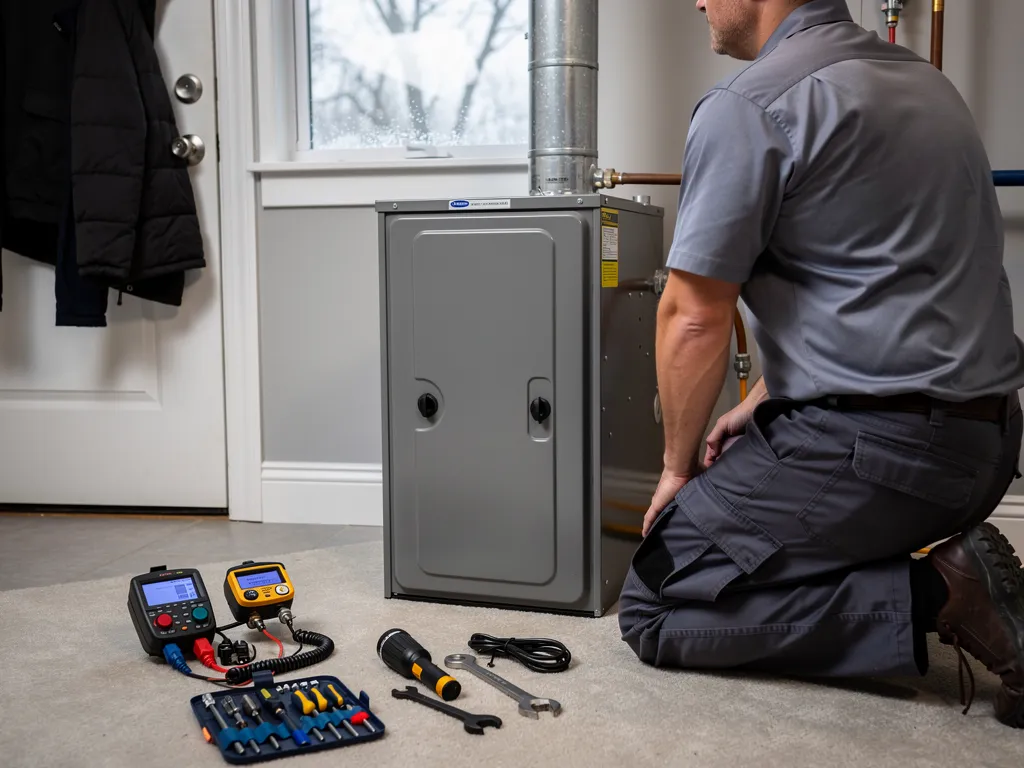
A furnace that short cycles turns on and off repeatedly without completing a full heating cycle. This problem wastes energy and strains critical components. Coastal homes in Point Pleasant, New Jersey, face this issue during damp winters when airflow problems develop quickly.
Short cycling often stems from a clogged air filter or an overheating heat exchanger. Both conditions demand immediate attention. Regular maintenance extends equipment lifespan, lowers energy consumption, and prevents unexpected breakdowns at the worst possible times.
What causes a furnace to short cycle most often?
The primary culprit is restricted airflow. A dirty filter chokes the system and triggers the heat exchanger to overheat. The furnace shuts down as a safety precaution, then restarts moments later. Replacing the filter restores proper airflow and stops the protective shutoff sequence.
Other causes run deeper. A malfunctioning thermostat sends incorrect temperature readings to the control board. A dirty flame sensor misreads the burner flame and cuts the gas supply prematurely.
Can a homeowner fix short cycling without calling a technician?
Some fixes are straightforward. Follow these steps before placing a service call:
Check the air filter and replace it if visible dirt blocks the mesh.
Confirm all supply vents and return grilles remain open and unobstructed.
Inspect the thermostat for dead batteries or loose wiring connections.
A new filter often resolves the problem immediately. Persistent short cycling after these checks points to a flame sensor issue or an overheating heat exchanger. Both conditions need a technician’s diagnostic tools.
When does short cycling require professional repair in Point Pleasant?
Technicians from CAM HVAC Services offer comprehensive inspections, cleaning, and repairs to ensure furnaces operate reliably and efficiently. A professional visit becomes necessary when basic fixes fail. The company identifies hidden problems that homeowners miss, including failing limit switches, cracked heat exchangers, or control board faults.
Ignoring short cycling raises energy bills and accelerates equipment wear. Coastal humidity magnifies these risks for Point Pleasant properties. Prompt attention prevents premature furnace failure and keeps heating costs under control throughout the winter season.
When Is a Furnace Problem a Safety Emergency?
A furnace problem becomes a safety emergency when it threatens life or property. Immediate action is required for gas leaks, carbon monoxide presence, or fire hazards.
What are the signs of a carbon monoxide leak from a furnace?
A carbon monoxide leak produces distinct warning signs. Soot accumulation around the furnace, a yellow burner flame instead of a steady blue one, and frequent unexplained headaches among household members all point to incomplete combustion. These symptoms demand professional inspection without delay. CAM HVAC Services provides comprehensive inspections to identify and resolve combustion issues before they escalate.
What should a homeowner do if they smell gas near the furnace?
Evacuate the home immediately. A burning smell, the audible hiss of escaping gas, or a triggered carbon monoxide alarm are red flags that leave no room for hesitation. Do not operate light switches, phones, or any electrical devices. Call emergency services from outside the residence. Once the immediate danger passes, licensed and insured technicians handle safety-critical repairs. CAM HVAC Services offers 24-hour emergency furnace repair for Point Pleasant homeowners facing these urgent situations.
Furnace troubleshooting common issues in Point Pleasant homes often reveals problems that are inconvenient rather than dangerous. A system that short-cycles or produces weak airflow rarely threatens safety. However, the line between routine malfunction and genuine emergency blurs quickly when combustion byproducts escape into living spaces. Over 18 years of service in Monmouth and Ocean Counties has shown that prompt professional evaluation prevents minor faults from becoming hazardous failures. Technicians with proper licensing and bonding ensure every repair meets rigorous safety standards.
How Can I Prevent Future Furnace Breakdowns?
Preventing furnace breakdowns starts with proactive, scheduled maintenance before winter arrives. Annual professional inspections catch small issues early and stop them from becoming expensive emergency repairs. Homeowners in Point Pleasant face added challenges from coastal humidity and salt air that accelerate system wear. Without consistent upkeep, a furnace loses efficiency, drives up energy bills, and risks sudden failure during the coldest nights.
What Does a Professional Furnace Tune-Up Include?
A comprehensive tune-up addresses the components most likely to fail under heavy use. Technicians inspect the heat exchanger for cracks, test safety controls, clean burners, and verify proper airflow. CAM HVAC Services performs these detailed inspections to keep equipment running reliably. The process also identifies worn belts, faulty ignitions, and blocked condensate drains before they cause a shutdown.
How Often Should Air Filters Be Changed in Point Pleasant Homes?
Filters need replacement every one to three months, especially during peak heating season. Coastal properties near the Manasquan River and Point Pleasant Canal often contend with higher particulate levels that clog filters faster. A dirty filter restricts airflow and forces the blower motor to work harder. That added strain shortens the motor’s lifespan and reduces overall system efficiency.
Protecting heating equipment from salt air extends system life in Ocean County. Technicians recommend keeping utility areas well-ventilated and treating exposed metal against corrosion.
For Point Pleasant homeowners, having a trusted provider available for 24-hour emergency repairs provides critical peace of mind. CAM HVAC Services brings over 18 years of experience to every service call. The company’s routine maintenance plans lower energy consumption and prevent breakdowns at the worst possible times. Skilled technicians respond quickly when cold snaps hit, restoring heat without unnecessary delays.
FAQ
What should I check before calling a technician for a furnace problem?
Check the thermostat settings, replace a dirty air filter, inspect the circuit breaker, and confirm the gas valve is open. These simple steps often restore heat without a service call.
Why is my furnace not heating in Point Pleasant?
A tripped circuit breaker, clogged air filter, misconfigured thermostat, or closed gas valve causes most no-heat issues. Coastal humidity accelerates filter buildup, so check these before calling for emergency repair.
What does regular maintenance prevent in a furnace?
Routine maintenance extends component life and catches developing faults before they trigger a no-heat emergency. CAM HVAC Services provides comprehensive inspections and cleaning to keep equipment running reliably through winter.
Conclusion
Point Pleasant homeowners who address furnace issues early avoid the costly failures and safety risks that coastal conditions accelerate. Start with the simple checks outlined here, then call a licensed technician when problems persist or warning signs appear. Annual maintenance remains the most effective defense against breakdowns, keeping systems efficient and homes safe through the harshest winter weather.